


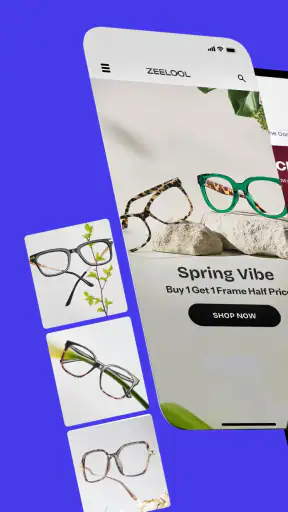
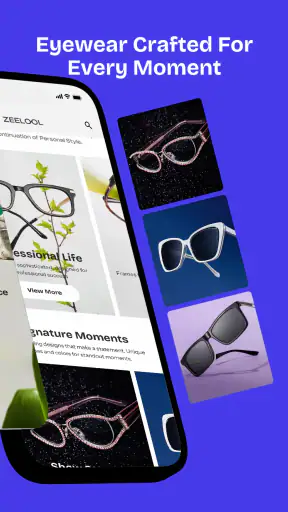
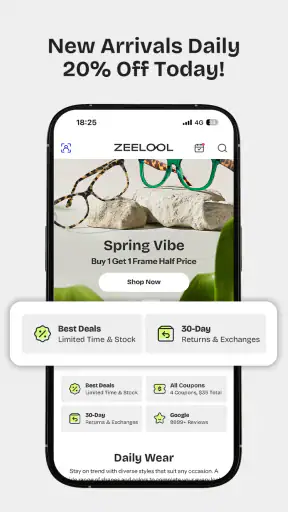
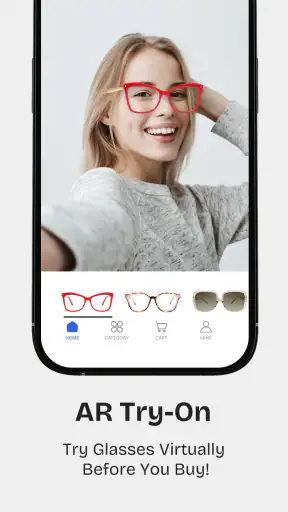
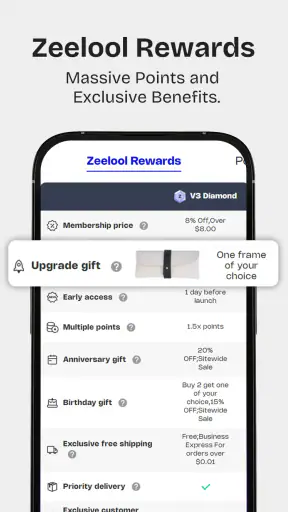
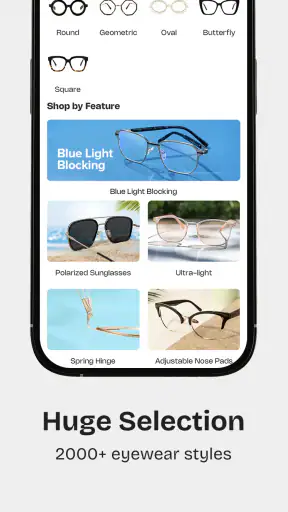
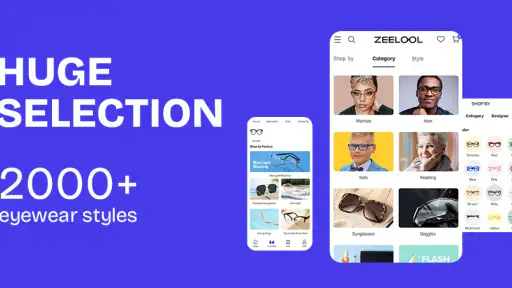
Buying eyewear online can be surprisingly personal. Frames that look excellent in a small product image may feel completely different on your face, and a low price does not automatically make the ordering process simple. I spent time using Zeelool - Eyewear For Everyday as a shopping app, browsing its selection, comparing styles, and thinking through the practical steps involved in choosing prescription glasses or sunglasses from a phone. My overall impression is that it is most useful for people who already understand their prescription and want a broader, more playful selection than they usually find in a local optical shop.
The app comes from ZEELOOL and is listed as a free shopping app for everyone. It has built a substantial audience, with over one million installs, a 4.6 average from around nine thousand ratings, and roughly one thousand four hundred written reviews. Those figures suggest that it is not a tiny experiment, but they should not replace your own judgment about fit, prescription accuracy, or how comfortable you are ordering eyewear without trying it on in person.
How I approached the everyday shopping workflow
My first useful habit was to treat the app less like a place for casual scrolling and more like a visual shortlist builder. Instead of opening every attractive frame, I looked for a few different shapes, colors, and levels of boldness. That made comparison easier and reduced the common online-shopping problem of ending up with a long wish list but no clear decision.
The store summary focuses on affordable prescription eyeglasses, sunglasses, and other eyewear, with options starting at seven. In practice, that positioning makes the app appealing when you want to explore several looks rather than commit immediately to the first conventional pair you find. It is particularly friendly to shoppers who enjoy statement frames, unusual color combinations, or a second pair for occasional use.
A sensible starting point is to have your prescription information ready before you browse seriously. The app can help you shop for eyewear, but it does not replace an eye examination or the professional measurement process. I would keep the prescription details from your optometrist nearby and check every field carefully before ordering. A single mistyped value can matter far more than the frame’s appearance.
I also found it helpful to separate style decisions from prescription decisions. First, I considered which frames suited my face and daily wardrobe. Then I checked whether the chosen product supported the lens type and prescription details I needed. Combining both decisions too early can make a good-looking frame seem like the right purchase before you have considered whether it is practical for your vision needs.
For sunglasses, the same discipline matters. A pair intended for driving, outdoor work, or long walks should be judged by more than its color and silhouette. I would think about how often it will be worn, whether the shape leaves comfortable coverage around the eyes, and whether the selected lens option matches the intended use. The app is a convenient place to compare designs, but the buyer still has to make the responsible choice.
One of the strongest everyday use cases is replacing a backup pair. If your current glasses are still usable but you want another style for travel, weekends, or occasional wear, an online eyewear catalog can be more convenient than arranging another shop visit. This is where the low-cost focus feels most relevant: you can experiment without treating the purchase as a major wardrobe decision.
There is also a practical workflow for families or couples. Rather than passing the phone around with no plan, I would have each person make a small shortlist and then review the choices together. That keeps the browsing session focused and makes it easier to notice whether someone is choosing a frame because it genuinely suits them or simply because the product photo is dramatic.
What I would check before moving from browsing to buying
The most important question is whether you know your current prescription and whether it is still appropriate for you. If your vision has changed, or if you are ordering a first pair, I would use an eye-care professional before relying on an online order. This is not a weakness unique to this app; it is the central trade-off of buying prescription eyewear remotely.
I would also examine the frame information carefully rather than judging size from the screen. Phone displays vary, photographs can change the apparent proportions, and a frame that looks medium in an image may feel larger or smaller in person. If you already own glasses that fit well, comparing their printed measurements with the information shown for a new frame is a much better approach than guessing from the model photo.
Another useful habit is to view the same frame under different lighting conditions before deciding on a color. Bright product photography can make transparent or vivid finishes appear more dramatic than they will in normal indoor light. If you are choosing a pair for daily work, neutral lighting and your usual clothing are better reference points than a carefully styled promotional image.
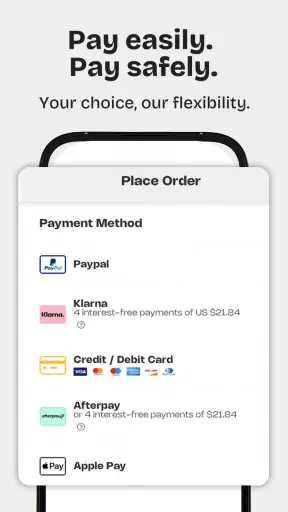
The app is free to download, which lowers the barrier to exploring the catalog. That does not mean every purchase decision is frictionless. You still need to review the final configuration, prescription entry, shipping details, and any available order information before paying. I would never rush through the last screen simply because the frame itself looks inexpensive.
Settings and browsing choices worth checking
Experienced shoppers usually get more from the app by adjusting how they browse rather than by opening more products. I would begin with the available category and style controls, then narrow the selection according to the actual purpose of the glasses. Everyday prescription frames, occasional sunglasses, and fashion-focused spare pairs should not be judged by exactly the same standards.
When comparing frames, I paid attention to the difference between a useful filter and a tempting distraction. Color is helpful when you already know what you wear, while shape is more important when you are trying to balance facial proportions. If the app presents several ways to refine a search, I would apply one meaningful choice at a time. Over-filtering can hide alternatives that might suit you better.
A repeatable method is to create three groups mentally: safe choices, interesting choices, and risky choices. The safe group contains shapes similar to what you already wear. The interesting group changes one element, such as color or bridge style. The risky group is reserved for frames that are visually exciting but less certain for daily comfort. This makes the catalog more useful than a simple stream of attractive images.
I would also check product details before becoming attached to a frame. Look for the information that affects fit and intended use, not only the photographs. If you cannot confidently understand whether a frame matches your needs, it is better to move to a clearer option than to assume that a low price makes the uncertainty harmless.
Another setting-related point is the phone itself. Screen brightness and display color can influence how you perceive translucent finishes, pale tones, and reflective surfaces. I would review a final color choice with automatic display adjustments disabled if possible, or at least compare it on another screen before ordering a shade where exact color matters.
The app’s audience includes people who want eyewear that feels expressive rather than purely functional. That is a genuine strength, but it also creates a trap: a catalog with many distinctive frames can encourage impulse decisions. My rule would be to leave a bold frame in the shortlist until I can describe when I would wear it. If the answer is only “it looks interesting in the app,” it probably belongs in the experimental group rather than the final order.
Shortcuts that make repeat shopping less tiring
The fastest pattern is to decide your constraints before opening the catalog. Write down the purpose, preferred shape, acceptable colors, and the prescription information you will need. This prevents the app from setting your priorities for you. It also makes a second purchase much quicker because you already know which details caused hesitation the first time.
I would use a two-pass review. During the first pass, I would collect only a handful of plausible frames and ignore minor differences. During the second, I would compare those choices for fit, versatility, and whether they suit the situations in which I actually wear glasses. This is more efficient than repeatedly switching between dozens of nearly identical products.
For a person who wears glasses every day, a useful pattern is to choose one dependable frame and one more distinctive frame, assuming both meet the prescription and fit requirements. The dependable pair handles work, appointments, and formal situations. The expressive pair gives the wardrobe variety without forcing a single frame to do everything.
For sunglasses, I would reverse that priority: start with the activity, then choose the style. A frame for relaxed weekends can be judged mostly on appearance and comfort, while a pair used during long outdoor periods deserves closer attention to coverage, fit, and lens suitability. The app makes the visual comparison easy, but it cannot make that personal decision for you.
Repeat buyers should keep a simple record of what worked. Note the frame shape, approximate fit, color, and the reason you liked or disliked it after wearing it for a normal day. That small habit is more valuable than relying on memory. When returning to the app later, you can look for similar proportions instead of starting from the entire catalog again.
I would also avoid using the cheapest visible option as the automatic default. Affordability is one of the app’s attractions, but the best value is the pair you will actually wear. A slightly less dramatic frame that works with your clothes and remains comfortable is a better purchase than an eye-catching bargain that stays in a drawer.
Where the online model reaches its limits
The main limitation is the distance between a screen and your face. You can compare designs quickly, but you cannot fully reproduce the experience of trying on a frame, feeling its weight, checking pressure behind the ears, or seeing how the bridge sits. People who are especially sensitive to fit may prefer a local optician, where adjustments can be made immediately.
This matters even more if your prescription is complicated, your measurements are unusual, or you have had repeated problems with glasses slipping or causing discomfort. In those situations, the convenience of a shopping app may not compensate for the value of in-person fitting. I would choose a professional optical service first when precision and adjustment are more important than style variety.
Another limitation is expectation management. Product photography is designed to show the frame attractively, not to simulate every face shape or lighting condition. A frame may look excellent in the listing and still feel too bold, too narrow, or less versatile than expected. That is why I recommend judging a purchase by its likely role in your routine rather than by the most flattering image alone.
The app is also not the right choice for someone who wants immediate eyewear. Online shopping introduces time between selection and use, so it cannot match a local store when you need a replacement urgently. If your only pair is broken and you need glasses for work or driving right away, a nearby optical provider is the safer practical option.
People who dislike making decisions from large catalogs may find the range tiring rather than liberating. The abundance of designs is valuable for adventurous shoppers, but it can create decision fatigue. My solution is to use a strict shortlist and stop browsing once a frame meets the purpose, fit expectations, and personal style. More scrolling does not necessarily improve the final choice.
It is also worth remembering that “free” refers to the app itself, not to every possible purchase or service associated with ordering eyewear. I would read the final order summary carefully and make sure the selected frame, lens details, and delivery information are correct before completing the transaction. That check is especially important when buying for another person.
The current version is 3.2.74, and the app supports devices running Android 7.0 or later. That gives it a reasonably broad Android reach, including many older phones, although the actual browsing experience will still depend on screen size, performance, and connection quality. On a smaller display, detailed comparisons may take more patience than they would on a larger phone.
Who should use it, and who should look elsewhere
I would recommend this shopping app to someone who already knows their prescription, enjoys trying different frame styles, and is comfortable making a careful online purchase. It is especially appealing for second pairs, seasonal sunglasses, and shoppers who feel that ordinary optical stores offer too few expressive choices.
I would be more cautious recommending it to a first-time glasses buyer, someone with difficult fitting requirements, or anyone who needs professional help choosing lenses. Those users may benefit more from an optician who can measure, explain, adjust, and troubleshoot face to face. The app can still provide style inspiration, but it should not be treated as a substitute for that service.
For environmentally conscious shoppers, the best approach is to buy deliberately rather than use the low price as a reason to collect frames. A carefully chosen pair that becomes part of your regular rotation is more sensible than several impulsive purchases. The app supports experimentation, but responsible use depends on resisting unnecessary orders.
For parents shopping for children, I would pay extra attention to durability, fit, and the child’s willingness to wear the frame. A design that looks adorable in a product image is not automatically suitable for an active child. In that case, local fitting and hands-on inspection may be more valuable than the wider online selection.
My verdict after building a repeatable routine
Zeelool - Eyewear For Everyday works best when I use it as a structured comparison tool rather than a casual fashion feed. Its free access, broad eyewear focus, and affordable positioning make it easy to explore prescription glasses and sunglasses without beginning at a physical store. The strongest experience comes from shoppers who prepare their prescription, know roughly what fits, and use shortlists instead of browsing endlessly.
What I like most is the freedom to explore styles that may not be available in a conventional local selection. The app makes a backup pair or a more expressive frame feel approachable, and its large user base indicates that many people are willing to use this kind of shopping route. ZEELOOL has clearly built the product around visual choice and everyday accessibility.
What keeps me from recommending it without qualification is the normal online-eyewear trade-off: screen-based confidence is not the same as physical fit. Prescription accuracy, frame measurements, comfort, and the intended use still require careful attention from the buyer. If those details are uncertain, a professional optical shop is the better option, even if it offers fewer styles or costs more.
My practical recommendation is to start with one purpose, make a compact shortlist, compare the frame information with glasses you already own, and review the complete order carefully. If you follow that routine, the app becomes much less overwhelming and much more useful. The best reason to try it is not simply the low price; it is the combination of affordable exploration and a wider personal style range.
For me, this is a worthwhile shopping app for confident online buyers and a convenient source of eyewear ideas for everyone else. I would use it for a planned second pair, a style change, or sunglasses after confirming the details. I would not use it as my only solution when I need urgent replacement glasses, complex fitting support, or professional guidance from start to finish.


